
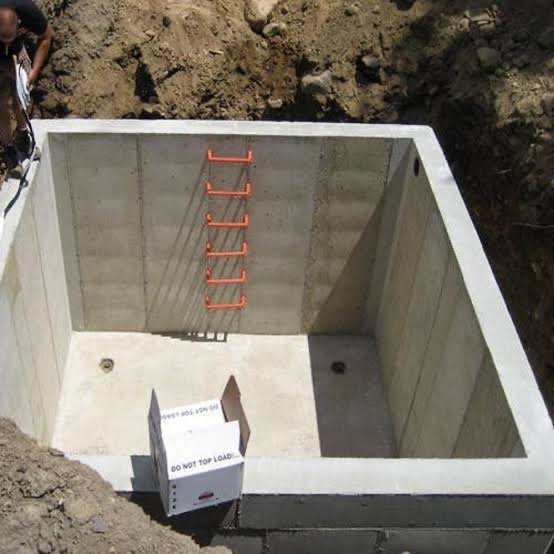
Concrete water tanks naturally develop micro-cracks over time. These cause seepage and water loss, and the rough, wet surface lets algae, fungus and bacteria grow in your stored drinking water. The reliable fix is to drain the tank, inspect it, scrub the walls clean and repair the cracks, apply a safe FDA-approved waterproof coating, then cure and leak-test it before handover. SS Projects treats both overhead and underground tanks, and its work carries a 5-year warranty.
- Micro-cracks in concrete are the usual starting point for tank leaks and water loss.
- Algae and fungus on tank walls are a hygiene problem as well as a structural one.
- The coating inside a drinking-water tank should be non-toxic and FDA-approved.
- A proper job includes draining, cleaning, crack repair, coating, curing and leak testing.
A water tank has one simple job: hold clean water and lose none of it. When the walls start to seep, or the stored water turns green and smells off, most families patch the visible spot, clean the tank and refill it. A few weeks later the same problem returns.
In most cases the cause is not the one spot you patched. It sits in the concrete itself and in the condition of the tank's inner surface.
In this guide, SS Projects explains why tanks leak and grow algae, how to recognise the warning signs, how a tank is properly waterproofed, which products are used for each problem, and what to check before choosing a contractor.
Why Do Water Tanks Leak?
Concrete is strong, but it is not crack-proof. Concrete structures naturally form micro-cracks over time. A water tank is under pressure from the stored water every day, so these tiny cracks slowly allow seepage and water loss.
Leakage can show up as:
- Damp patches or wet marks on the outside of the tank.
- Moisture on walls or ceilings near the tank.
- A water level that drops faster than your usage explains.
- A rough, worn or flaking inner surface.
The right treatment depends on how many cracks there are, how deep they go, and what condition the inner surface is in.
Why Is It Important to Fix Tank Leaks Early?
A small leak may seem harmless, but a tank that keeps leaking and keeps getting dirty only gets worse.
1. Stops Water Loss
Seepage means you are paying to store, pump and lose water. Sealing the tank stops that loss.
2. Protects the Structure
Moisture that keeps working through concrete can weaken the structure over time. Early treatment is simpler than repairing damaged concrete later.
3. Protects the Water You Drink
A rough, damp surface supports algae, fungus and bacteria. This is a health concern for any household that drinks or cooks with the stored water.
4. Protects Nearby Rooms and Walls
An overhead tank that leaks can cause dampness in the terrace, walls and rooms around and below it.
5. Avoids Repeated Cleaning and Repairs
Fixing the tank properly once is generally more economical than repeated patching, cleaning and refilling.
Why Do Algae and Bacteria Grow Inside Tanks?
Algae, fungus and bacteria need moisture and a surface to cling to. A tank that has been in use for years often has:
- A rough, worn inner surface that holds slime and dirt.
- Constant moisture on the walls.
- An old or unsuitable coating that no longer protects the surface.
This is why the coating inside a drinking-water tank matters as much as the crack repair. A coating that is non-toxic and FDA-approved is chosen to be safe for stored water and to prevent algae, fungus and bacterial buildup.
What Are the Warning Signs of a Failing Water Tank?
Catching the problem early limits the damage and the repair scope. Watch for:
- Wet patches or dampness on the outside of the tank, or on nearby walls and ceilings.
- A water level that falls faster than normal usage.
- Green or black slime on the inside walls.
- A musty smell or unusual taste in the stored water.
- Visible cracks or a rough, flaking inner surface.
Any one of these is worth investigating, especially if the tank is the source of your household drinking water.
Why Does a Quick Patch Not Solve Tank Leakage?
A patch covers one spot. Water under pressure simply finds the next weak point.
When a tank is patched without a proper inspection and coating:
- Other micro-cracks keep leaking.
- Ordinary paint or patch material may not hold up under stored water.
- A material that is not made for drinking water can affect the quality of what you store.
- The rough surface that supports algae stays as it is.
Repairing the cracks and applying a coating designed for potable water, on a clean surface, is what produces a lasting result.
How Is a Water Tank Waterproofed?
At SS Projects, water tank waterproofing follows a four-step process designed for long-term safety.
Step 1: Draining and Inspection
The tank is drained so that cracks, dampness and damage can be located.
Step 2: Surface Cleaning
The interior walls are scrubbed clean and concrete cracks are repaired, so the coating has a sound surface to bond to.
Step 3: Coating Application
A safe, FDA-approved waterproof coating is applied to the interior of the tank.
Step 4: Testing and Handover
The coating is cured, the tank is leak-tested and a final quality inspection is carried out before handover.
The Treatment Process in Detail
- Drain and inspect: Empty the tank and locate cracks, damp areas and damage.
- Clean and repair: Scrub the interior walls and repair concrete cracks.
- Coat: Apply the non-toxic, FDA-approved waterproof coating.
- Cure and test: Allow the coating to cure, then leak-test the tank.
- Final inspection: Check the quality of the finished work before handover.
The tank should go back into use only after curing, leak testing and the final inspection are complete.
Which Products Are Used and What Do They Solve?
SS Projects is an authorised stockist and applicator of Dr. Fixit and also works with Fosroc and Mcrete construction chemicals. For water tanks, this is how the materials map to the problems:
- Algae, fungus and bacteria on the tank surface: a non-toxic, FDA-approved waterproof coating that prevents their buildup and is safe for drinking water storage.
- Micro-cracks in the concrete: concrete crack repair carried out during surface cleaning, before the coating goes on.
- Internal water pressure on the walls: a durable waterproof coating system that seals the tank against pressure from the stored water.
Important: The right system depends on the tank's condition. If the cracks are deeper or the structure is damaged, SS Projects also offers crack filling and repair and pressure grouting. The team confirms what your tank needs during the site inspection.
Overhead Tanks and Underground Tanks
SS Projects treats both overhead and underground tanks.
- Overhead tanks sit on the roof or a raised structure. A leaking tank can cause dampness in the terrace and the rooms below, so it is worth reading our terrace leakage guide as well.
- Underground tanks are harder to check by eye, so watch for a falling water level, dirty water or damp ground around the tank.
In both cases the same principle applies: repair the cracks, clean the surface and use a coating that is safe for potable water.
What Mistakes Should You Avoid?
- Patching one crack and ignoring the rest. Other weak spots will keep leaking.
- Using a coating that is not made for drinking water. Ask for confirmation that it is non-toxic and FDA-approved.
- Skipping the cleaning. Algae and loose material stop the coating from bonding.
- Skipping curing and the leak test. A tank should be tested before it goes back into use.
- Choosing on price alone. Compare the coating, the preparation steps and the warranty, not just the quotation amount.
How Can You Keep a Water Tank Healthy?
Waterproofing works best alongside simple care.
- Inspect the tank for damp patches and cracks from time to time.
- Watch for a falling water level that your usage does not explain.
- Keep the lid closed so dirt and insects stay out.
- Clean the tank regularly.
- Investigate green slime or a musty smell instead of just flushing and refilling.
- Call a professional early if you notice new cracks or seepage.
Regular care complements, but does not replace, proper waterproofing of the tank.
Water Tank Waterproofing by SS Projects
Water tank waterproofing is one of the service categories listed by SS Projects.
SS Projects provides water tank waterproofing for homes, apartments and commercial and industrial properties in Nalgonda, Hyderabad and surrounding districts of Telangana, using non-toxic, FDA-approved coatings for overhead and underground tanks. The company is an authorised Dr. Fixit stockist and applicator, has 7+ years of experience, more than 1000 clients and 545+ projects, and states that its work carries a 5-year warranty with a free site inspection and quotation.
Related services include crack filling and repair for cracked concrete, pressure grouting for deeper fractures, and terrace and roof waterproofing where an overhead tank sits on the roof.
Before proceeding, discuss the tank type, its condition, the proposed treatment and the scope of work with the service provider.
Frequently Asked Questions About Water Tank Waterproofing
Why does my water tank leak?
Concrete structures naturally form micro-cracks over time. Under constant water pressure these cracks let water seep out and cause water loss. An inspection helps find the exact cause.
Is the coating safe for drinking water?
SS Projects uses non-toxic, FDA-approved coatings for water tanks that are safe for potable water storage.
Can algae and fungus growth in the tank be stopped?
The coating used prevents the buildup of algae, fungus and bacteria on the tank surface, which helps keep stored water cleaner.
Do you treat both overhead and underground tanks?
Yes. SS Projects treats both overhead and underground water tanks.
Does the tank need to be emptied before waterproofing?
Yes. The tank is drained first so that cracks and damage can be located, the walls can be cleaned and repaired, and the coating can be applied properly.
How is the work checked before handover?
After the coating is applied, it is cured, the tank is leak-tested and a final quality inspection is carried out before handover.
Can I just patch a leaking water tank?
A patch usually covers only one spot. Micro-cracks elsewhere can continue to leak, and an unsuitable patch material may not be safe for drinking water, so a full inspection and proper coating is a more reliable approach.
How long does water tank waterproofing take, and is there a warranty?
The timeline depends on the tank size and condition and is shared in the quotation after inspection. SS Projects states that its work carries a 5-year warranty.
Conclusion
A leaking or dirty water tank is rarely a one-spot problem. Micro-cracks in the concrete and a rough, damp inner surface are what let water escape and let algae grow, and the lasting fix is to repair the cracks and coat the tank with a material that is safe for drinking water.
Recognising the warning signs early, avoiding quick patches, and starting with a proper inspection can save repeated cleaning and repairs and protect the water your family uses every day.
If your tank is leaking, losing water or producing smelly, green water, begin with a site inspection and a clearly defined scope of work.
Explore the water tank waterproofing service listed by SS Projects to take the next step toward a leak-free, hygienic tank.
Also read: Internal Wall Dampness: Causes, Warning Signs, Treatment and Prevention and Terrace Leakage: Causes, Solutions & Waterproofing Guide.
Is Your Water Tank Leaking or Growing Algae?
If your tank is losing water, showing damp patches or giving you green, smelly water, get it inspected before you patch or refill.
SS Projects provides professional waterproofing solutions for residential, commercial and industrial properties in Nalgonda and Telangana.
Book Free Inspection Call +91 91826 40947 SS ProjectsSavarkar Nagar, Nalgonda, Telangana - 508001
Phone: +91 9182640947
Email: info@ssprojects.in