
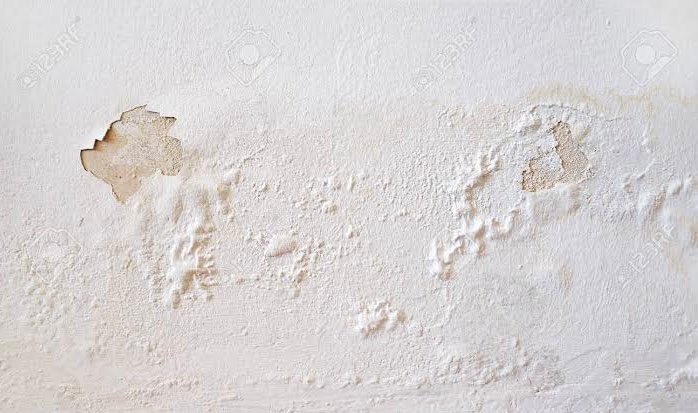
Damp patches and peeling paint on an internal wall usually mean water is entering from an attached wet area such as a bathroom, wash area or balcony, where the waterproofing has failed. The wall absorbs the moisture and the paint gives way. The reliable fix has two steps: trace and seal the source of water penetration, then treat and repair the damp wall. Repainting alone only hides the problem for a short time. A site inspection is the best way to find the real cause and get an accurate quote.
- The damp wall is often the symptom; the source is usually a neighbouring wet area.
- Water commonly travels through tile and marble joints, then spreads through the floor into the walls and rooms below.
- Repainting before the source is fixed usually leads to the same peeling again.
- Plumbing leaks and external wall seepage can look similar, so diagnose before you repair.
Few household problems are as frustrating as a damp patch that keeps coming back. You repaint the wall, it looks fresh for a few months, and then the same stain, bubbling or peeling returns, sometimes bigger than before. Many homeowners in Nalgonda and across Telangana go through this cycle without realising that the wall itself is rarely where the problem starts.
In most cases, the dampness is a message from somewhere else in the building. Water is getting in at one point and showing up at another, often on a wall that looks perfectly sound from the outside.
Understanding where that water comes from is the key to a lasting repair.
In this guide, SS Projects explains what internal wall dampness is, what causes it, how to recognise the warning signs, how it is treated, and what to consider when choosing a solution.
What Is Internal Wall Dampness?
Internal wall dampness is moisture that collects in or on the inside walls of a building. It typically appears as darkened patches, bubbling or peeling paint, powdery white deposits, and sometimes a musty smell.
Unlike a visible roof leak, the water source is often hidden. It may be behind a wall, under a floor, or inside a neighbouring room, which is why the problem is frequently misjudged as a paint or plaster defect.
Internal dampness can affect:
- Walls shared with bathrooms and wash areas.
- Walls next to balconies and other wet zones.
- Walls and ceilings in rooms directly below a wet area.
- Areas around concealed pipe routes.
The right treatment depends on where the moisture comes from and how far it has spread.
Why Is It Important to Treat Internal Wall Dampness?
A damp patch may look like a cosmetic issue at first, but untreated moisture tends to get worse over time.
1. Protects Paint, Plaster and Finishes
Constant moisture weakens the bond between paint and plaster, causing blistering and peeling. Plaster can soften and crumble if the problem continues.
2. Protects Wooden Flooring, Door Frames and Furniture
Moisture does not stay in the wall. Wooden flooring, door frames, wardrobes, and furniture placed near a damp wall can swell, warp, or deteriorate.
3. Helps Reduce Mold and Health Concerns
Persistently damp conditions can encourage mold growth, which may aggravate allergies or respiratory problems for some people. Keeping walls dry supports a healthier indoor environment.
4. Avoids Repeated Repair Costs
Repeated repainting and patch repairs add up. Fixing the source once is generally more economical than repairing the same damage again and again.
5. Prevents the Problem Spreading
Water that is allowed to keep travelling can reach more walls, ceilings, and rooms, increasing the scope and cost of the eventual repair.
What Are the Common Causes of Internal Wall Dampness?
Finding the cause is the most important step. The usual suspects are listed below.
1. Failed Waterproofing in an Attached Wet Area
Bathrooms, wash areas, and balconies rely on a waterproofing layer beneath the finishes. When that layer deteriorates, cracks, or was not properly installed, water can pass through and reach adjoining walls.
2. Water Seeping Through Tile and Marble Joints
Grout lines and joints wear down with time and cleaning. Water enters through these gaps, moves through the floor structure, and eventually appears in the walls and rooms around and below.
3. Leaking or Poorly Sealed Pipe Joints
Gaps around pipes that pass through floors and walls can let water in slowly. Because the leak is gradual, the damage can remain hidden for a long time before a patch appears.
4. Damaged Plumbing
Leaking supply lines, drain connections, and concealed pipes can cause dampness even when the waterproofing is intact.
5. Other Moisture Sources
External wall seepage, condensation, and drainage problems may produce similar symptoms.
Important: Not every damp wall is caused by a failed wet area. Plumbing leaks, external seepage and condensation can look alike, so the source should be assessed before choosing a repair.
How Does Water Travel Into Internal Walls?
Water rarely stays where it enters. Understanding its path helps explain why a stain may appear far from the actual leak.
- Entry: Water gets through worn tile or marble joints, cracked grout, or gaps around pipes in the wet area.
- Travel: It moves into the floor structure and spreads sideways and downward through porous construction materials.
- Absorption: The adjoining internal wall soaks up the moisture like a sponge.
- Visible damage: Paint blisters and peels, plaster weakens, and stains or salt deposits appear.
Left untreated, this process continues and can damage interiors, wooden flooring, door frames, and furniture.
What Are the Warning Signs of Internal Wall Dampness?
Catching the problem early limits the damage and the repair scope. Watch for:
- Paint bubbling, flaking, or peeling in patches.
- Dark or yellowish stains that spread or darken after heavy bathroom use or rain.
- White powdery salt deposits on the wall surface.
- A musty smell in the room, or visible mold.
- Soft, crumbling, or cracked plaster.
- Swelling or warping of wooden flooring, door frames, or wardrobes near the wall.
Any one of these near a bathroom, wash area, or balcony is worth investigating.
Why Does Repainting Not Solve Internal Wall Dampness?
Paint is a surface finish. It is not designed to stop water that is pushing through a wall from behind.
When a damp wall is repainted without fixing the source:
- The new paint covers the stain, but the moisture is still present.
- Water continues to move outward and lifts the fresh paint.
- The patch returns, often within a short time.
- Hidden damage to plaster and the structure can continue unnoticed.
Treating the cause first, and restoring the finish afterward, is what produces a lasting result.
How Is Internal Wall Dampness Treated?
At SS Projects, internal wall dampness is addressed through a two-step approach, because both the source of water and the affected wall need attention.
Step 1: Fix the Source
The attached wet area is inspected to trace exactly where water is entering. The tile, marble, and pipe joints through which water is penetrating are then sealed. Without this step, any wall repair is likely to fail.
Step 2: Restore the Wall
Once the source is sealed, the damp internal wall is treated and repaired so that plaster, paint, and interiors are protected from further damage.
The Treatment Process in Detail
- Source inspection: Examine the attached wet area, joints, pipe penetrations, and surrounding surfaces to trace the entry point.
- Joint and source sealing: Seal the tile, marble, and pipe joints where water is getting through.
- Wall treatment: Treat the damp internal wall and repair damaged plaster so the surface is ready to be finished.
- Quality check: Carry out a final inspection to confirm the source is sealed before finishes are restored.
Repainting should be done only once the wall is fully dry and the treatment has been completed as specified.
How Much Does Internal Wall Dampness Treatment Cost?
There is no single price that fits every home. The cost depends on the condition of the property and the work required.
The main cost factors include:
- Affected wall area: A single patch costs less to treat than several walls.
- Extent of damage: Crumbling plaster and deeper damage require more repair work.
- Source treatment: If the attached bathroom, wash area, or balcony also needs sealing or waterproofing, that is part of the scope.
- Plumbing repairs: Leaking pipes or joints may need separate repair.
- Finishing work: Plastering, putty, and repainting after treatment add to the total.
How to Get an Accurate Estimate
Before requesting a quotation, note where the damp patches are, what lies on the other side of the wall, and how long the problem has been present.
Ask the contractor to clarify:
- Where the source of water entry is believed to be.
- Whether the wet area will be treated as well as the wall.
- The scope of wall repair and finishing included.
- Whether plumbing repairs are included.
- Warranty terms and any exclusions.
A site inspection and an itemised quotation give a more meaningful estimate than a price based only on wall size.
How Can You Prevent Internal Wall Dampness?
Prevention is mostly about looking after the wet areas that sit next to your walls.
- Have bathrooms, wash areas, and balconies inspected if a nearby wall shows even a small damp patch.
- Repair worn grout lines and tile or marble joints before they start letting water through.
- Fix dripping taps and leaking pipe joints promptly.
- Keep floor drains clear so water leaves the area quickly.
- Avoid drilling through waterproofed floors and walls without proper resealing.
- Investigate recurring damp patches instead of repeatedly repainting over them.
- Repaint only after the wall is fully dry.
Regular inspection complements, but does not replace, proper waterproofing of the wet areas.
Why Choose a Professional Waterproofing Service?
Dampness can come from several sources, and treating the wrong one wastes money. A professional assessment helps determine whether the problem lies in the wet area, the plumbing, or the wall itself.
When evaluating a contractor, consider:
- Experience with wet-area and wall dampness problems.
- A clear inspection and diagnosis process.
- A repair plan that treats the source, not just the visible patch.
- Transparent quotations and a defined scope of work.
- Clear warranty conditions.
The goal should be a repair that holds, not simply the lowest initial quotation.
Internal Wall Waterproofing by SS Projects
Internal wall waterproofing is one of the service categories listed by SS Projects.
SS Projects provides internal wall waterproofing for homes, apartments and commercial properties in Nalgonda, Hyderabad and surrounding districts of Telangana. The approach is to fix the actual source of water penetration first and then restore the damp wall so that paint, plaster and interiors are protected. The company states that its work carries a 5-year warranty and that it offers a free site inspection and quotation.
Related services include bathroom and wet-area waterproofing where the attached bathroom is the source, external wall waterproofing where seepage comes from outside, and crack filling and repair for cracked walls.
Before proceeding, discuss the affected walls, the likely source, the proposed treatment, and the scope of work with the service provider.
Frequently Asked Questions About Internal Wall Dampness
Why is the paint peeling on my internal wall?
Peeling paint is commonly caused by moisture moving through the wall from behind. A frequent source is an adjoining bathroom, wash area, or balcony where the waterproofing has failed. Plumbing leaks and external wall seepage can produce similar symptoms, so the source should be assessed before repair.
Can I just repaint a damp internal wall?
Repainting alone is unlikely to be a lasting solution. Paint covers the surface, but if water is still entering from the source, the moisture will continue to push outward and the new paint can fail again.
How do I find which area is causing the dampness?
Look at what lies on the other side of, or above, the damp wall. Attached bathrooms, wash areas, balconies, and pipe routes are common sources. A professional site inspection can help trace the exact entry point.
Is internal wall dampness harmful to health?
Persistently damp conditions can encourage mold growth, which may aggravate allergies or respiratory problems for some people. Addressing the moisture source and keeping the area dry helps reduce this risk.
Does internal wall treatment need the bathroom to be treated too?
Often, yes. If the dampness originates from an attached wet area, treating only the wall may not stop the problem. The source of water penetration generally needs to be sealed as well.
What factors affect the cost of internal wall dampness treatment?
The affected wall area, the extent of damage, whether the source wet area needs treatment, the repair scope, and finishing work all influence the cost. A site inspection and itemised quotation give a better estimate than a generic price.
How soon can I repaint after treatment?
Repaint only after the wall is fully dry and the treatment has cured as specified. Painting too early can trap moisture and cause the new finish to fail.
When should I contact a waterproofing professional?
Seek an assessment when damp patches keep returning, spread to other walls, are accompanied by mold or a musty smell, or when you cannot identify where the water is coming from.
Conclusion
Internal wall dampness is rarely just a wall problem. More often it is the visible sign of water entering from an attached wet area, and the lasting fix is to deal with that source before restoring the wall.
Recognising the warning signs early, avoiding the temptation to simply repaint, and starting with a careful assessment can save repeated repairs and protect your interiors, flooring, and furniture.
If you are seeing damp patches or peeling paint at home, begin with a site inspection and a clearly defined scope of work.
Explore the internal wall waterproofing service listed by SS Projects to take the next step toward a dry, protected home.
Also read: Bathroom Waterproofing: Methods, Benefits, Cost and Prevention and Terrace Leakage: Causes, Solutions & Waterproofing Guide.
Seeing Damp Patches on Your Walls?
If your internal walls have damp patches, peeling paint or recurring seepage, get the source inspected before you repaint or repair.
SS Projects provides professional waterproofing solutions for residential, commercial and industrial properties in Nalgonda and Telangana.
Book Free Inspection Call +91 91826 40947 SS ProjectsSavarkar Nagar, Nalgonda, Telangana - 508001
Phone: +91 9182640947
Email: info@ssprojects.in